

How Data Turns Content and Ads Into Consistent Growth
Most brands post content, run ads, and hope something sticks.
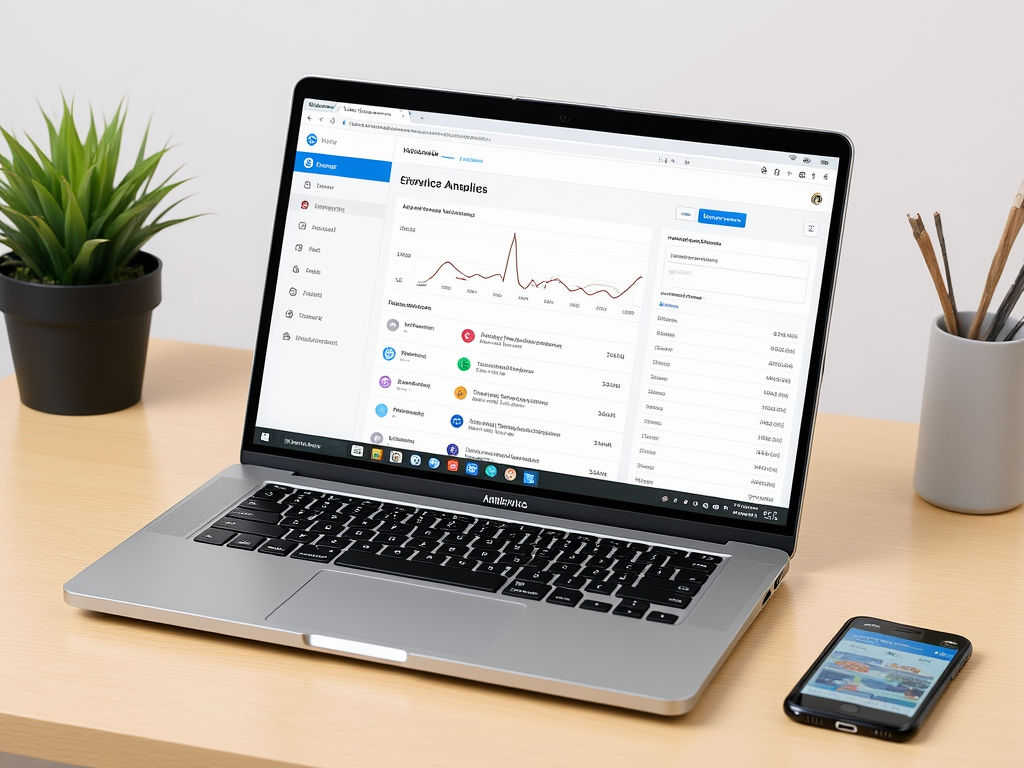
The brands that win do something different. They treat analytics and reporting as part of execution, not an afterthought. At Marca Mercari, analytics is not about dashboards for the sake of dashboards. It is about clarity. What is working, what is not, and what needs to change next.
When organic and paid social media efforts are supported by the right data, decisions become faster, budgets work harder, and results compound.
Why Analytics Matters More Than Ever in Social Media
Social media moves fast. Algorithms change, audiences shift, and creative fatigue happens quicker than most teams expect. Without proper analytics, brands react late or not at all.
Analytics gives structure to creativity. It allows teams to understand how content performs organically, how paid media amplifies it, and where opportunities are being missed.
For fast moving consumer brands, this clarity is critical. Social is often the front line between brand and customer. Every post, ad, and interaction is data waiting to be used.
Step One: Data Collection That Reflects Reality
Good reporting starts with good data. The mistake many brands make is relying on a single platform view or surface level metrics.
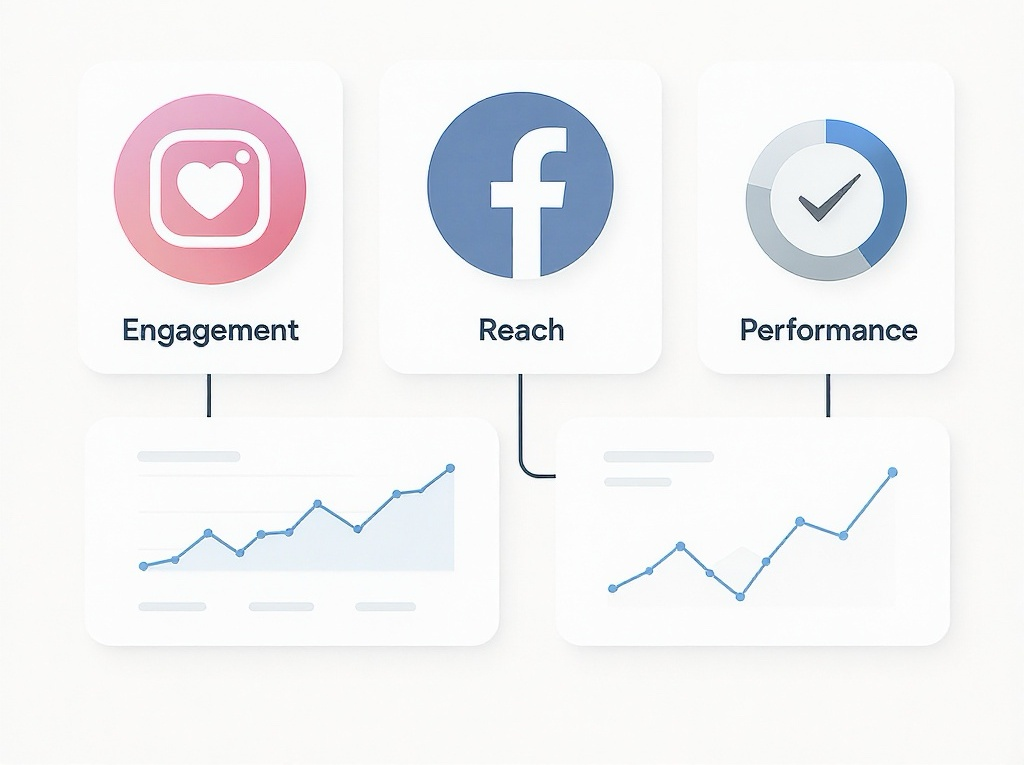
Effective data collection pulls from multiple sources to give a full picture of performance.
For organic social, this includes:
- Platform insights such as reach, saves, shares, and profile visits
- Engagement trends over time, not just per post
- Audience growth patterns and content formats driving them
For paid social, this includes:
- Ad platform metrics such as impressions, clicks, cost per result, and frequency
- Creative level performance, not just campaign totals
- Funnel behavior such as landing page views, conversions, or sign ups
At Marca Mercari, we collect data with intention. We focus only on data that informs decisions. If a metric does not influence creative, targeting, or spend, it does not belong in the report.
Step Two: Performance Metrics That Actually Matter
Not all metrics are equal. Likes alone do not build brands, and impressions without action do not grow revenue.
The key is selecting performance metrics that align with your objective.
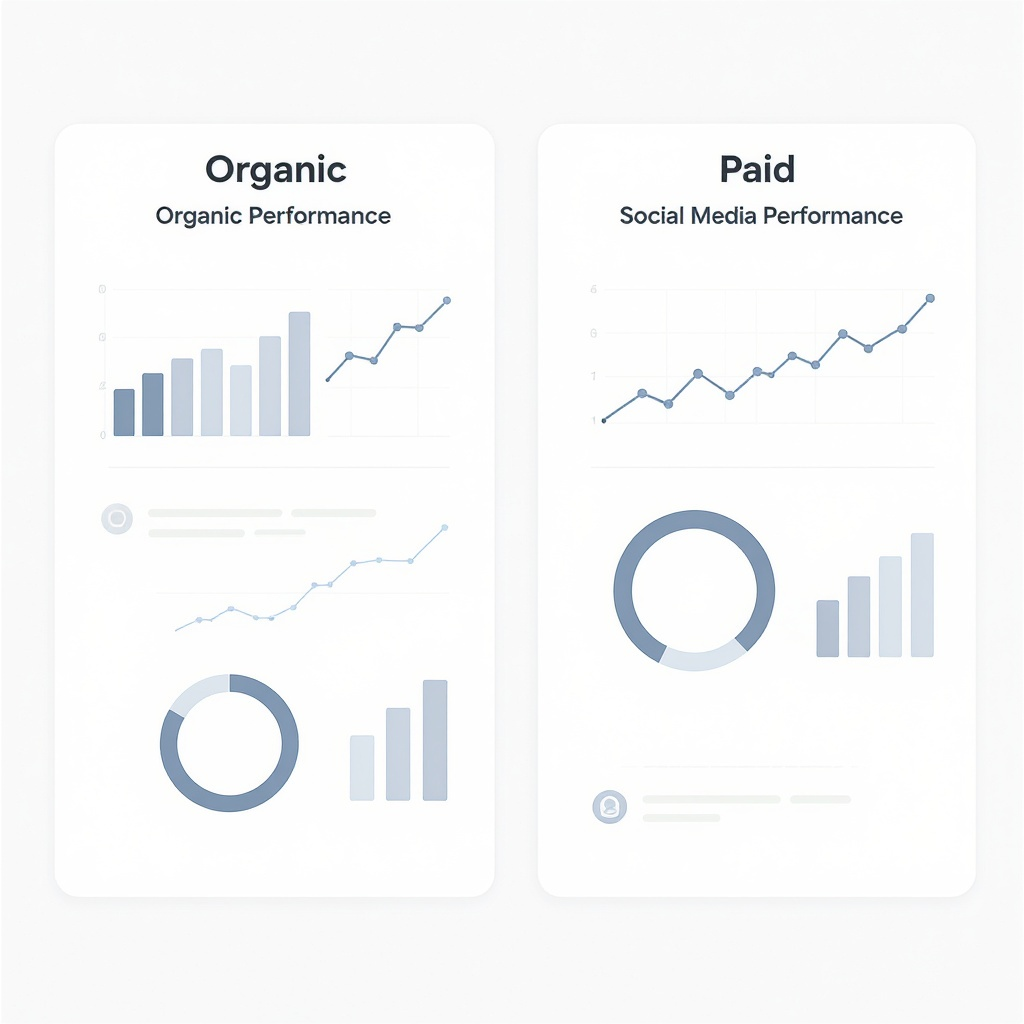
For organic social media, meaningful metrics include:
- Engagement rate, which shows content relevance
- Saves and shares, which signal value and intent
- Consistency of reach across posts, not spikes alone
For paid social media, priority metrics often include:
- Cost per result based on campaign goal
- Click through rate, which reflects creative effectiveness
- Frequency, which signals when creative needs refreshing
Metrics should always answer a question. Is the content resonating? Or is the message clear? Or is the budget being used efficiently?
When metrics are tied to purpose, reporting becomes actionable instead of overwhelming.
Step Three: Regular Reporting That Drives Action
Reporting is not about producing documents. It is about creating rhythm.
Regular reporting allows brands to spot trends early, double down on what works, and fix issues before they become expensive mistakes.
At Marca Mercari, reporting is used to:
- Guide content themes for upcoming weeks
- Identify high performing creatives to scale through paid media
- Adjust targeting, budgets, and formats based on real performance
The most effective reports are clear, visual, and focused. They highlight insights, not just numbers. A strong report answers three questions:
What happened? Why did it happen? What do we do next?

Connecting Organic and Paid Social Through Analytics
Organic and paid social should not operate in isolation. Analytics is what connects them.
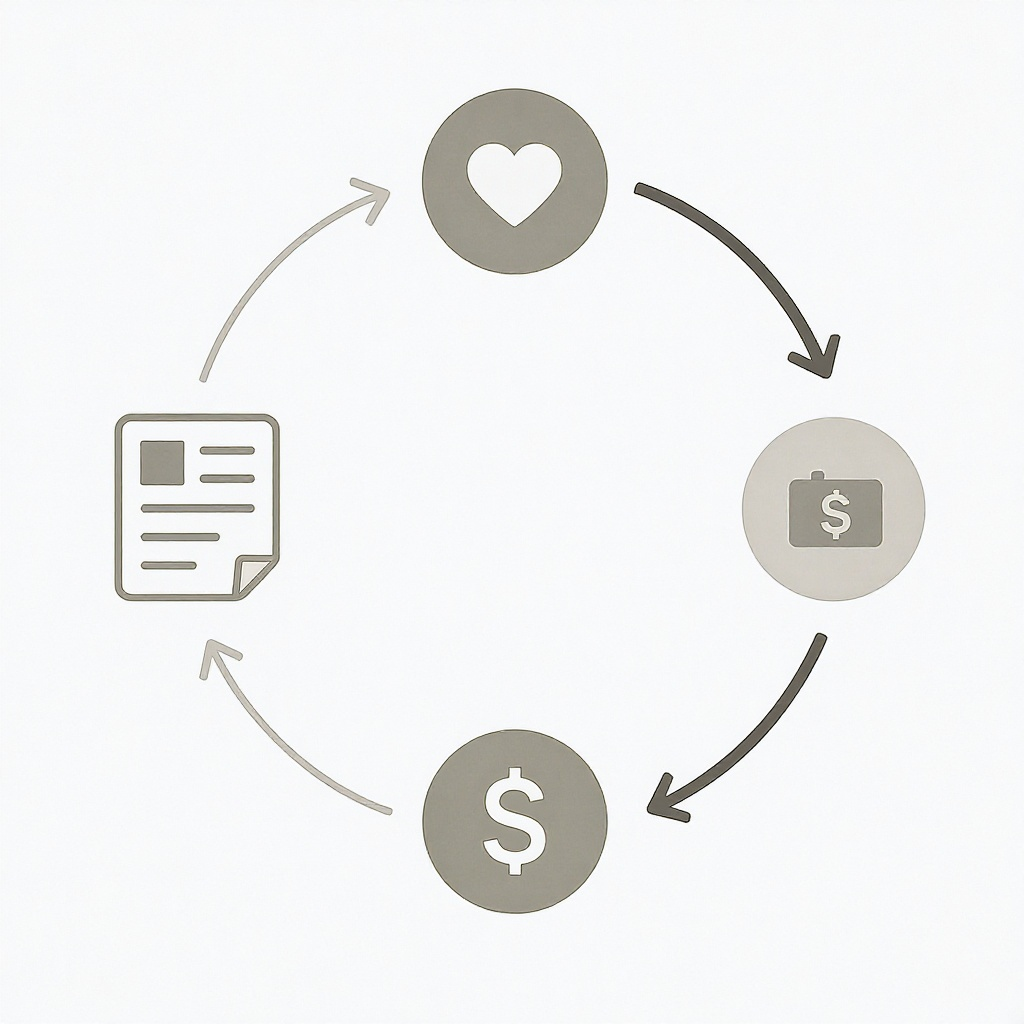
High performing organic content often becomes the foundation for paid campaigns. Paid performance data, in turn, informs future organic content direction.
When analytics is used correctly, brands stop guessing. They build feedback loops where every post and ad improves the next.
This is how social media becomes a system, not a series of one off efforts.
Turning Insights Into Sustainable Growth
Analytics and reporting are not just about performance. They are about control.
They give brands the ability to move with confidence, adapt quickly, and invest where impact is proven. For fast moving consumer brands, this discipline is what separates short term visibility from long term growth.
At Marca Mercari, we believe that creativity performs best when supported by structure. Analytics provides that structure, allowing brands to show up consistently, scale intentionally, and compete effectively in crowded markets.
Final Thought
Social media success is not accidental. It is built through intentional data collection, meaningful metrics, and reporting that leads to action.
When analytics becomes part of how you work, not just something you look at, social media stops being unpredictable and starts becoming a growth engine.